
Home » Lift Accessories
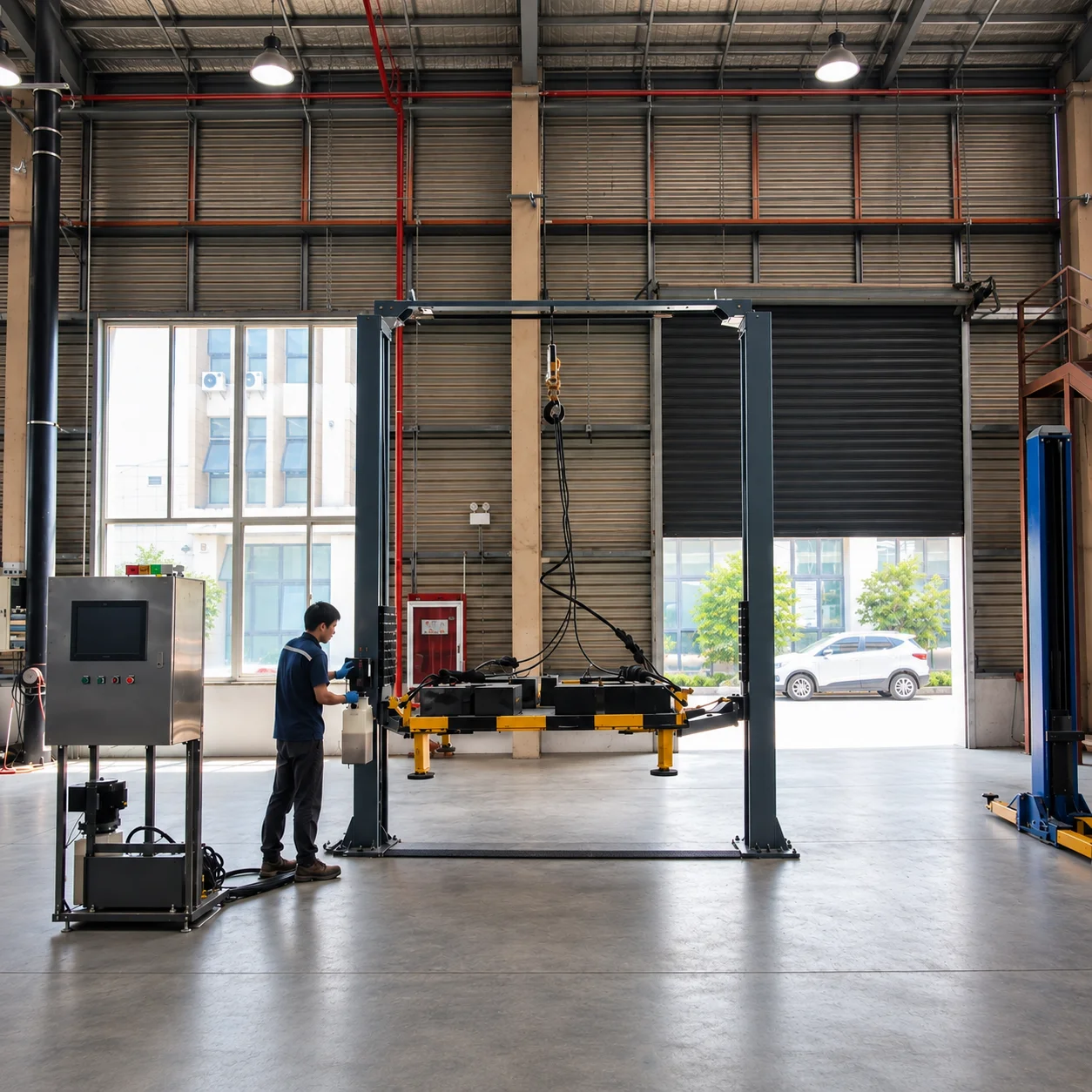
PUQIN operates a modern automotive lift manufacturing base integrating product development, manufacturing, assembly and service.
From structural components to complete lift assembly, our manufacturing system is built to support stable production, consistent quality and long-term supply for distributors and professional automotive equipment partners.
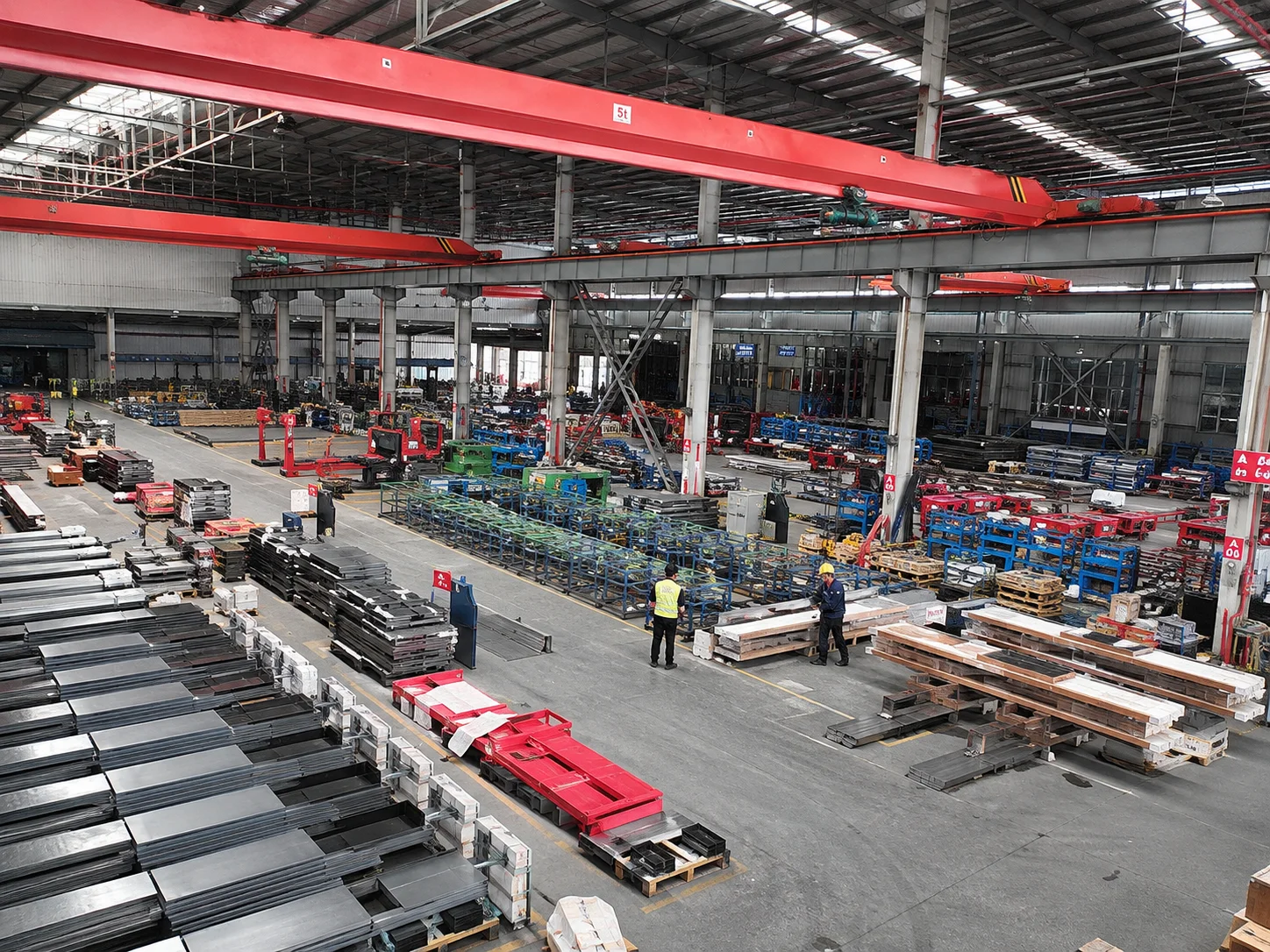
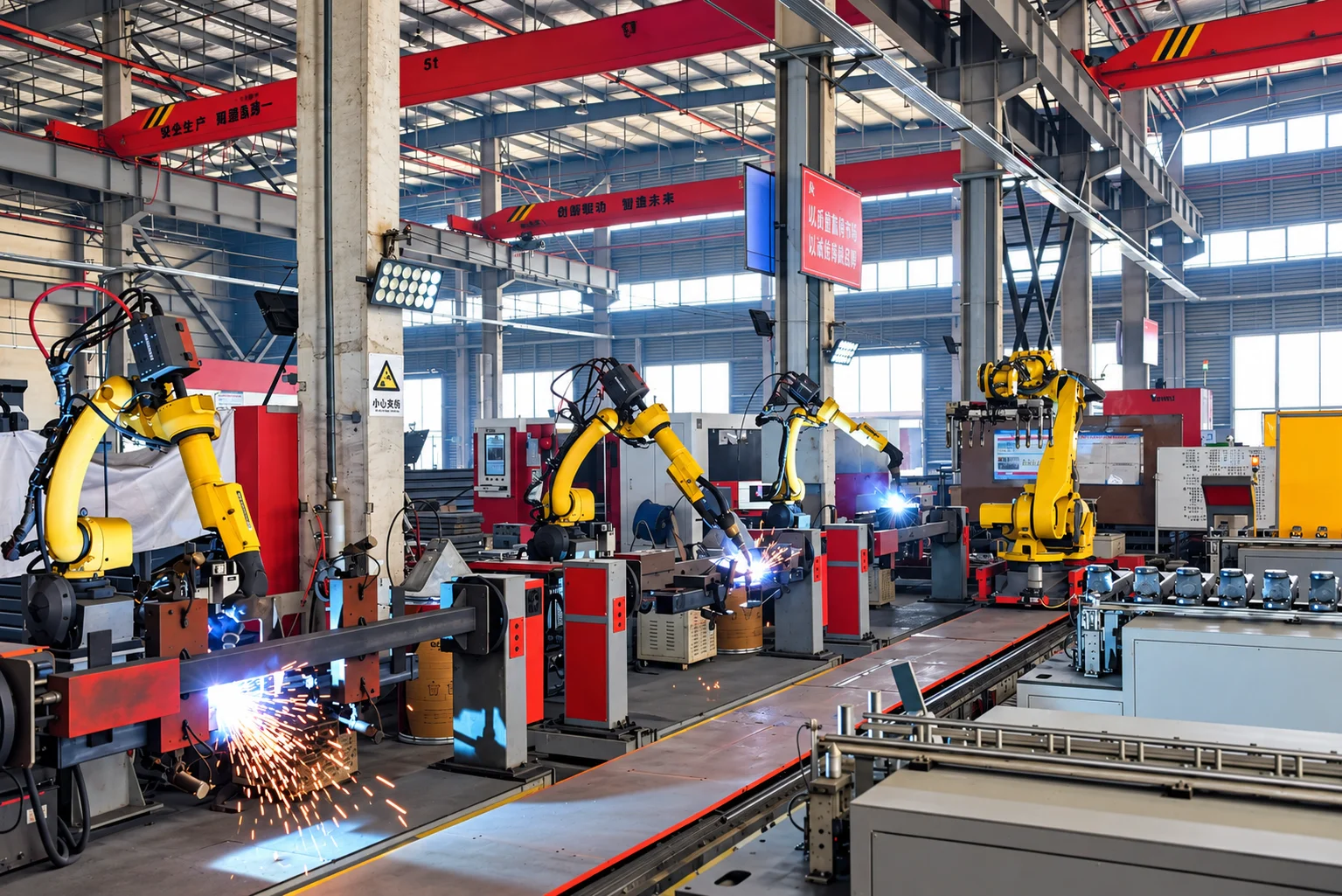
Organized manufacturing processes help maintain consistent production quality across different automotive lift models.
Multiple Product Platforms
Our production range covers two-post lifts, overhead lifts, scissor lifts, four-post lifts and motorcycle lifts for different workshop applications.
We support distributors and equipment partners with product selection, configuration options and long-term supply cooperation.
Structural components are prepared according to production specifications.
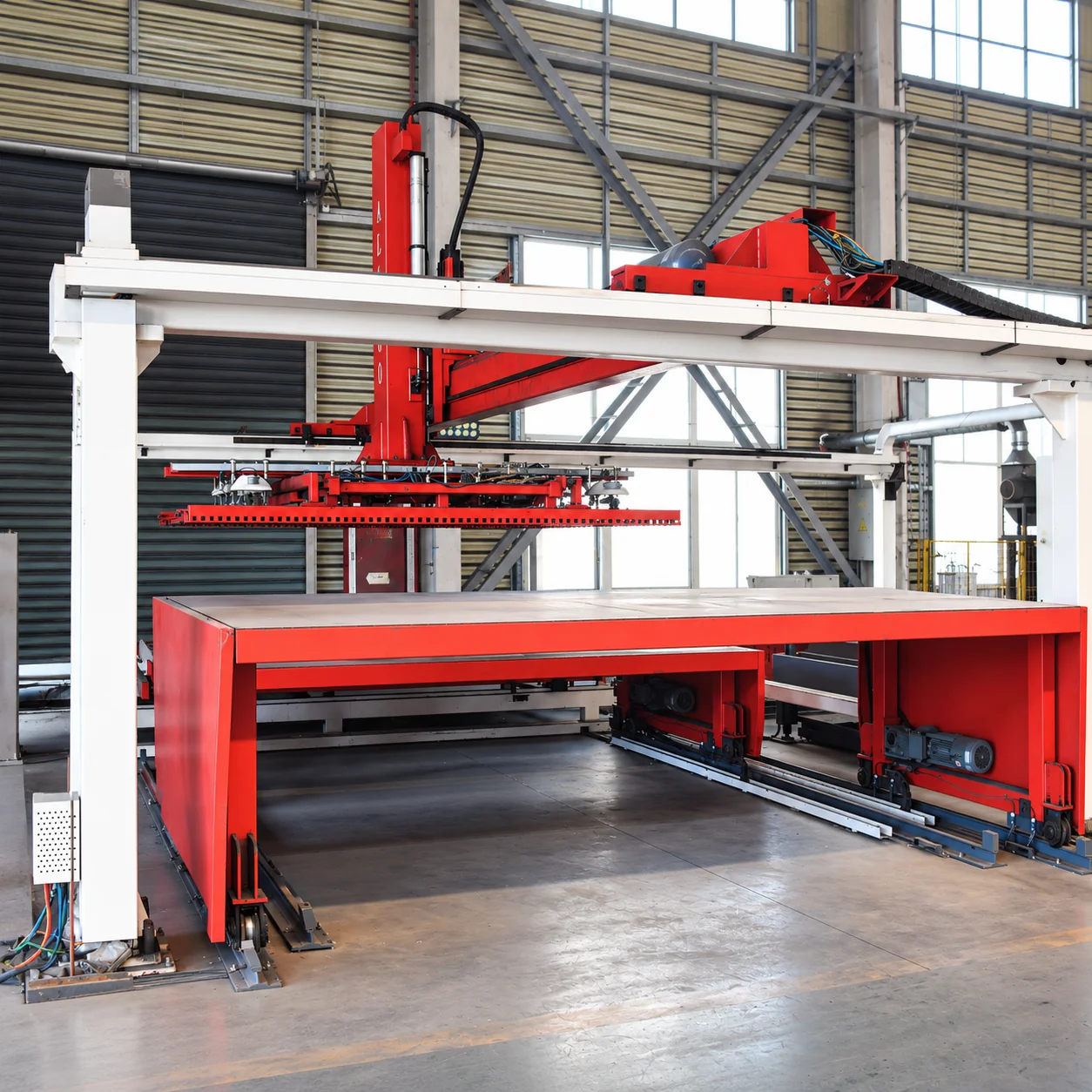
Critical components are processed to support dimensional consistency and assembly accuracy.
Structural parts are welded to form the main load-bearing assemblies.
Finished structural parts receive surface preparation and coating.
Hydraulic, mechanical, electrical and safety components are assembled into complete lift systems.
Completed lifts are checked for lifting, lowering, synchronization and safety functions before shipment.
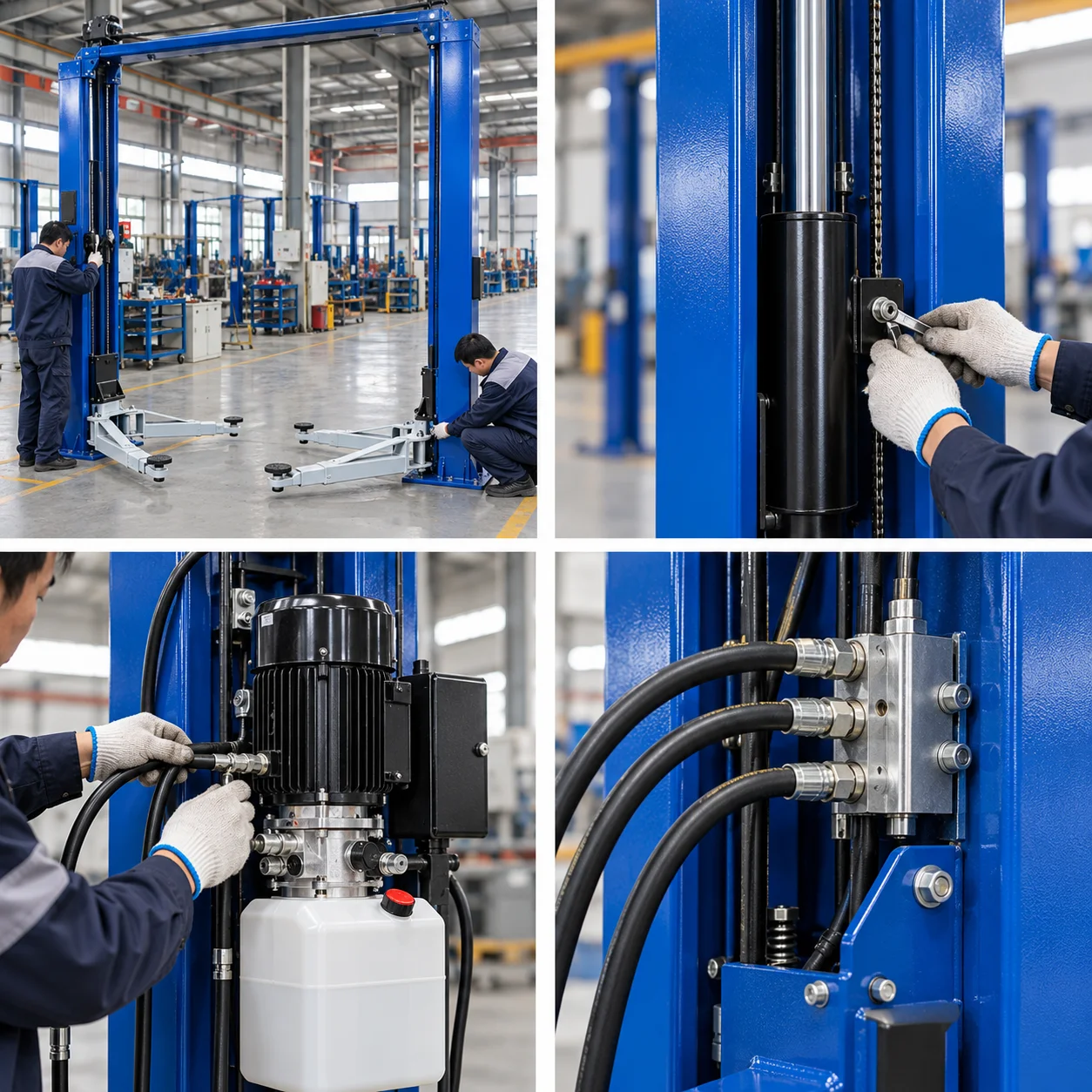
Mechanical locking provides an additional safety layer when the lift reaches the working position.
Cables, chains or hydraulic synchronization systems help maintain balanced lifting movement.
Control systems may include emergency stop and travel limit functions according to model configuration.
Greater control over manufacturing processes helps support stable product quality.
A structured manufacturing system supports continuous order fulfillment and long-term cooperation.
Product branding, configuration and market-specific requirements can be discussed based on project needs.
Product selection, installation guidance, maintenance information and spare parts support help distributors serve their customers more efficiently.
Find quick answers about installation, safety, power requirements, maintenance and customization.
The concrete requirements depend on the lift type and rated capacity. Two-post lifts generally require a strong, level concrete foundation, while four-post and heavy-duty models usually require greater concrete thickness. Always follow the installation requirements for the specific model.
The right lift depends on your vehicle types, available floor space and service requirements. Two-post lifts are commonly used for general repair, scissor lifts are suitable for fast service and limited-space workshops, while four-post lifts are ideal for alignment, inspection and heavier vehicles.
Routine inspection should be carried out regularly. Key items include safety locks, hydraulic hoses, lifting arms, synchronization cables or chains, anchor bolts and lubrication points. Hydraulic oil and filters should also be checked and replaced according to the maintenance schedule.
Most automotive lifts use mechanical safety locking systems in addition to the hydraulic system. During lifting, the locking mechanism engages at different working heights to provide additional protection and help prevent unintended lowering.
Power requirements vary by model and destination market. Common configurations include single-phase and three-phase power systems. Voltage and frequency options can be supplied according to local electrical standards and project requirements.
Yes. OEM and customization support can include branding, color, voltage, control configuration and selected product specifications, depending on the model and order requirements.
Whether you need two-post, scissor, four-post or parking lifts, tell us your application, capacity and destination market. We’ll help you select the right model and prepare a factory-direct quotation.